
Blog ThriftyEvents.net is a phrase readers use to find event-planning articles associated with ThriftyEvents.net. The plural-domain website displays budgeting, DIY and event-planning categories. These can provide inspiration, but the organiser still needs to translate an idea into a confirmed task with resources, timing and a responsible person.
ThriftyEvents.net is different from ThriftyEvent.net, the singular-domain address. Check which site you are reading when saving references or finding contact details. This guide focuses on a useful next step after browsing: turning selected advice into a concise plan that another person can actually follow.
Start with the guest experience you want
Write a short description of the gathering in practical terms. Guests may need to share a meal, take part in an activity, hear a presentation or simply talk comfortably. Describe those needs before selecting a decorative theme. The purpose provides a way to decide which online ideas deserve further work.
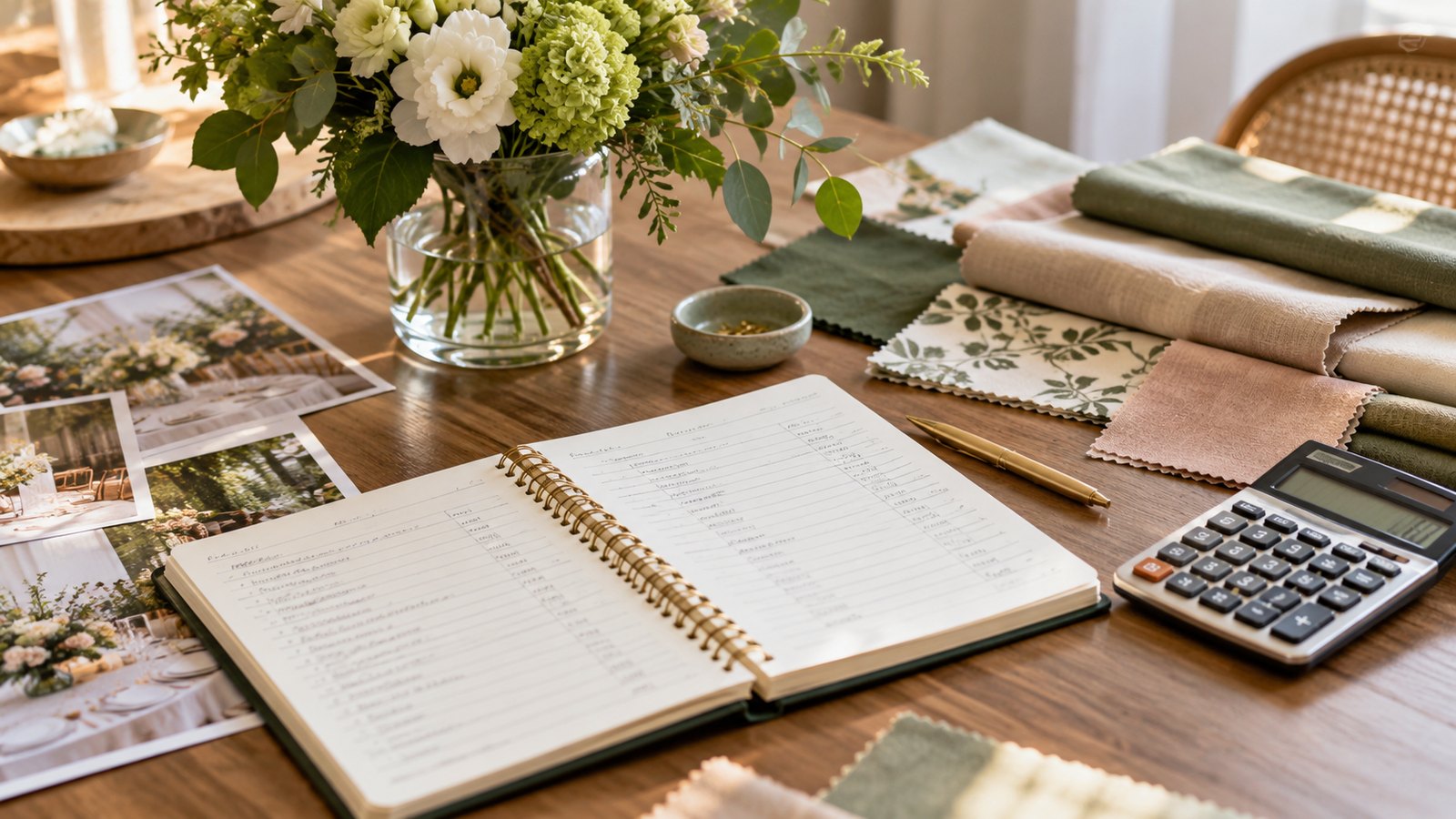
Add the known limits: date, available room, approximate attendance, setup access and people willing to help. Mark estimates clearly. A plan can begin with uncertainty, provided the team knows which decisions are provisional. Problems arise when an assumption is quietly treated as a confirmed fact.
Use this short brief to filter your reading. Save a post because it answers a question, not because it contains many attractive possibilities. If an idea does not serve the gathering or fit the constraints, keep it for another occasion rather than expanding the current event around it.
Convert an idea into a task specification
A task specification explains the result, materials, owner and deadline. Instead of writing “make table decorations”, describe the approved arrangement and how many complete pieces are needed. Identify where supplies will come from and who will transport them. This makes the work easier to estimate and hand over.
Include the preparation that happens before installation. Materials may need cleaning, testing, packing or collection. Borrowed items need a return arrangement. A blog photograph often omits these stages, yet they can determine whether the task is reasonable for a small group of volunteers.
Keep the specification proportionate. A simple gathering does not need an elaborate project system. It needs enough detail to prevent uncertainty about what has been agreed. If a second person can understand the task without asking several basic questions, the description is probably becoming useful.
Test the full workflow once
Build one sample using the actual materials wherever possible. Then pack, transport and unpack it in a realistic way. A design that looks good on a desk may need alteration to survive the journey or fit the venue’s setup window. Record the result before buying or borrowing the full quantity.
Ask the intended volunteer to take part in the test. Their available time and confidence matter. If the task requires a skill they do not have, choose a simpler method or appropriate help. Calling a project easy in an article does not make it easy for every team.
Approve one version and keep a clear reference. A photograph of your own sample can be more useful than several different inspiration images. Add any handling notes and make sure the person coordinating setup knows where the approved design is recorded.
Fit tasks around the room and timetable
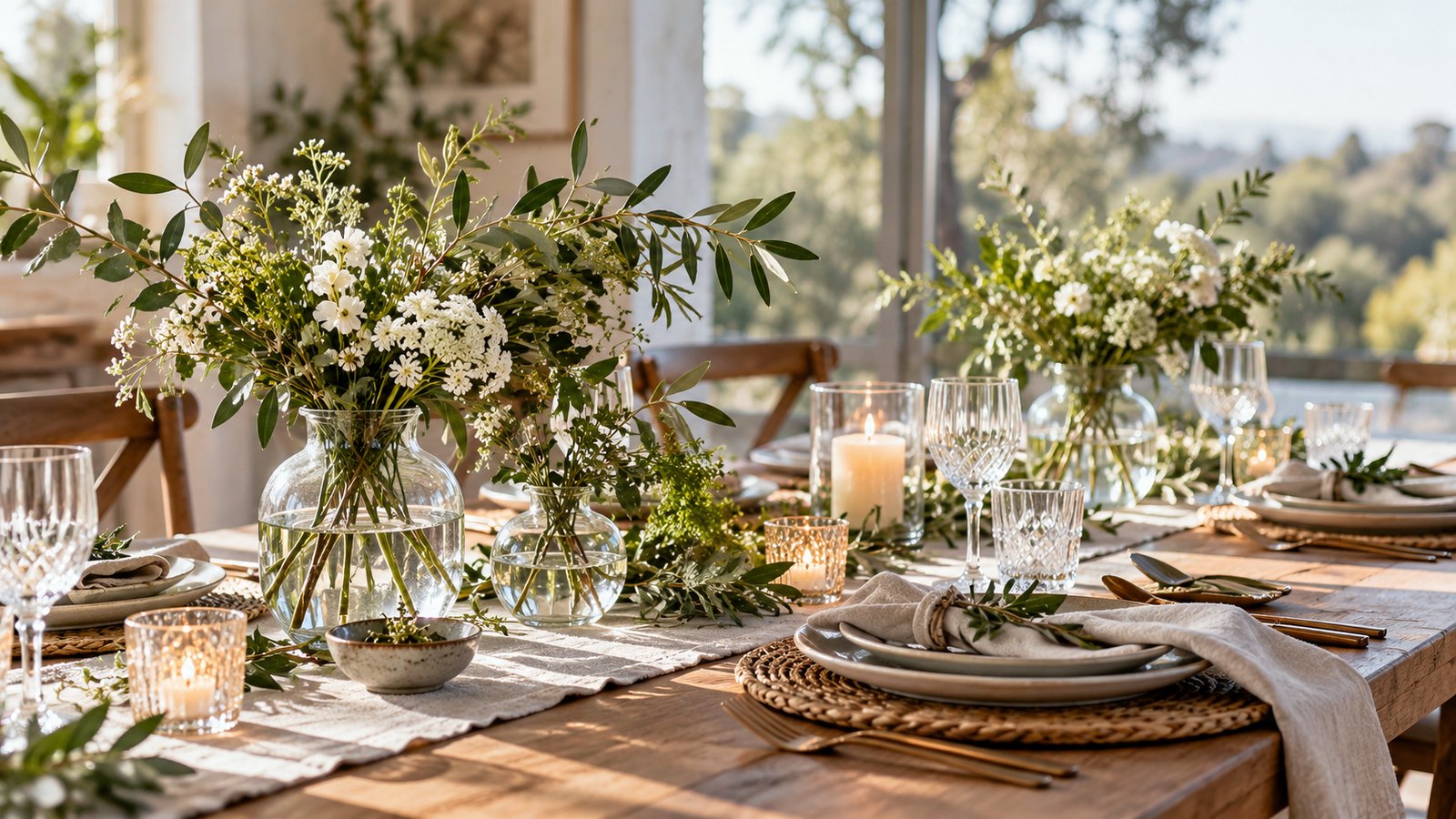
Work backwards from guest arrival. List venue access, deliveries, furniture placement, installation and final checks. Consider which tasks depend on another task being finished. A decoration team cannot complete tables that have not yet been placed, and equipment checks may need space before the room is fully arranged.
Walk through how guests will move. Think about the entrance, seating, activity areas and access to facilities. Discuss relevant needs directly with the venue and affected guests. Do not assume that an attractive layout image answers the practical questions for your particular room.
For requirements beyond general inspiration, use the relevant authority and provider. HSE publishes event-safety resources for Great Britain, and local requirements depend on the activity and location. An online article can help you prepare questions, while the actual venue and responsible parties confirm the arrangements.
Keep the budget connected to decisions
Record each item as an estimate, quotation, commitment or payment. These stages mean different things. A deposit is part of a payment schedule, while an accepted quotation can create a commitment before the final balance is due. A clear record shows what room remains for optional ideas.
Compare full scopes when choosing between approaches. Making an item may need tools and transport; hiring may include collection; borrowing may require a return journey. Do not declare an option cheapest until you understand what else must be arranged. Your own time and available help are practical constraints even when they are not invoiced.
Give someone authority to approve changes. If several volunteers add small purchases independently, the combined effect can be difficult to see. A simple approval rule and one current budget record help keep the event within its agreed scope without creating unnecessary bureaucracy.
Finish the plan with handover and review
Include cleanup, returns and the final venue handover in the task list. These responsibilities should be agreed before event day. A celebration can feel complete to guests while the organising team still has important work to finish. Make sure borrowed and hired items have a clear route home.
Afterwards, ask what should be repeated or simplified. Record practical observations rather than broad judgments: an item took longer to assemble, a delivery needed another recipient or a decoration could be reused. These details help the next organiser understand the experience.
Keep the original article link with your notes, but make your final decision visible separately. The reading material supplied an idea; your own tests and agreements established the version you delivered. That distinction makes the record honest and useful.
Frequently asked questions
Can Blog ThriftyEvents.net replace an organiser?
Reading material cannot take responsibility for your specific event. Use useful advice as an input, then assign people to confirm arrangements and deliver the plan.
What should I write after saving an idea?
Describe the result you want, the resources needed, the person responsible and the decision deadline. Add a practical test before making a large commitment.
How can a small team avoid overload?
Choose fewer ideas that support the event’s purpose and give each a clear owner. Keep optional inspiration outside the active task list until the essentials are organised.
What should I record after the gathering?
Keep lessons about preparation, transport, setup and returns. Describe your actual experience without turning one event’s outcome into a universal promise about savings or results.
Primary references and further reading
ThriftyEvents.net: the plural-domain content website
Food Standards Agency: community food guidance
Related guides on this website
lcfgamevent hosted event from lyncconf: A Gamer’s Participation Guide
Zingyzon SEO: A Beginner’s Practical Guide
About the Author






1 thought on “Blog ThriftyEvents.net: Turn Ideas into an Event Plan”