
Why Can’t I Run My Genboostermark Code has no single confirmed answer without the actual program and error. Verify the project’s identity first, then examine its runtime, dependencies, configuration and inputs instead of assuming that an undocumented branded tool has a known universal defect.
The reviewed GenBoosterMark homepage describes a technology and marketing knowledge hub. That supports a description of the website, but not an invented package name, activation process or compatibility promise. This guide explains how to investigate a real code failure while keeping that evidence gap clear.
Why Can’t I Run My Genboostermark Code: What Is Being Run?
Open the original source from which you obtained the files and compare it with the GenBoosterMark website. Determine whether you have a repository, a short tutorial snippet, a downloaded executable or a token for a website. These are different objects, even if a search engine groups them under the same wording.
Do not begin by choosing a fix. Begin by describing the object and the failing action. If a browser rejects a code in a form, package installation is not the relevant first assumption. If a terminal reports a Python exception, preserve that exception and identify the script. The specificity of your description controls the usefulness of the next step.
Check the Trustworthiness of the Instructions
Useful software instructions identify the project, supported environment, installation method and expected result. Look for those elements in a verified source. A page that promises a solution while never naming a maintainer or showing a coherent example does not establish what should be installed.
Be cautious about copying commands you cannot explain, especially when they download and execute another script or request elevated privileges. That is a reason to inspect the source and ask for clarification, not proof that the project is malicious. The goal is to understand what action is authorized and necessary before making changes to your system.
Describe the Failure with Enough Detail
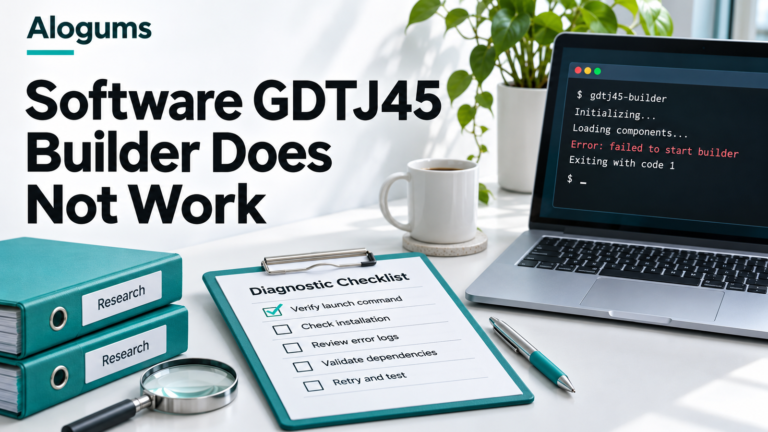
Write down the exact command or launch method and the complete error output. Include the operating system, runtime version and working folder, where relevant. If the failure is intermittent, note what differs between a successful attempt and an unsuccessful one without assuming the difference is automatically causal.
Remove secrets before sharing the report. Keep the exception name, line references and general configuration structure so the report remains useful. A screenshot alone may hide text or omit an earlier failure, so a redacted text log is often easier for another person to inspect.
Understand the Difference Between Parsing and Execution
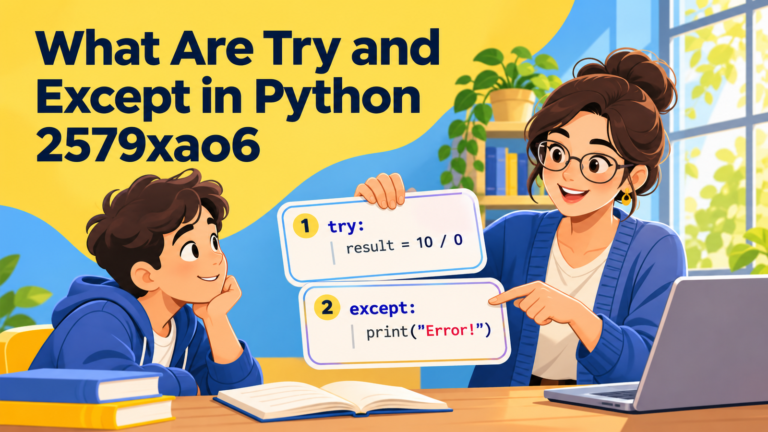
Python’s official error tutorial explains syntax errors and exceptions raised while a program runs. This distinction is useful because a statement that cannot be parsed needs different attention from a valid statement that receives an unexpected input.
Check the line identified by the error and the surrounding context. A missing bracket or quotation mark may affect a later line, while a type-related exception may require inspecting the value passed into a function. These are general diagnostic examples. They should not be presented as documented Genboostermark failures unless the actual source and error demonstrate that connection.
Check the Runtime You Actually Invoked
If the verified project uses Python, compare the interpreter invoked by your command with the one selected by your development tool. A mismatch can explain why one launch method finds a package and another does not. Confirm the version and installation path before modifying the dependency list.
Use the commands appropriate to your operating system and project documentation. Do not replace a working global installation simply because an unrelated guide recommends a newer version. Compatibility is a relationship between this project’s requirements and this environment, rather than a general rule that the newest runtime solves every problem.
Install from Verified Requirements
The Python Packaging User Guide explains checking Python and using its package installer. For an actual project, choose dependencies from the maintainer’s documented requirements, rather than guessing from a name in a search query.
Keep installation and execution tied to the intended environment. If the project uses a dependency file, retain it with the reproduction so another person can see the intended versions. When a dependency cannot be resolved, record the installer error instead of trying a series of similarly named packages. Similar spelling does not establish that two packages have the same author or purpose.
Use a Clean Environment to Compare Behavior
A virtual environment can help separate a trusted Python project’s packages from unrelated work. The Python venv documentation describes that separation. It is a practical debugging measure, not a statement that the code has been audited or that it cannot affect your machine.
Reproduce the documented setup in a fresh environment and compare the smallest failing operation. If the result changes, investigate the environment difference rather than immediately declaring the original operating system broken. If it does not change, you have still reduced one uncertainty and can move on with a clearer record.
Inspect Inputs, File Locations and External Services
Check whether required files exist where the program expects them and whether the input format matches the example. A local path can depend on the current working directory, and a blank configuration value can trigger an error far from where it was first read. Trace the data rather than changing unrelated source lines.
For an external service, consult its actual documentation and response. An expired credential, a permission failure and a temporary service error are not interchangeable diagnoses. Keep credentials private and do not send them to an unofficial helper. A valid technical report can describe the error without exposing the sensitive value.
Try One Small Change at a Time
Choose the next experiment based on the evidence you have. If the error concerns an input file, test the file path with a harmless sample. If it concerns an import, test that import in the intended environment. If the output is wrong without an exception, define a small expected result and compare it directly.
Record the change and its outcome, then restore an unsuccessful change before trying an unrelated theory. This prevents a debugging session from becoming a pile of speculative edits. A solution is easier to trust when you can explain which condition caused the failure and why the final change addressed it.
Know What a Useful Fix Must Establish
A successful launch is only one part of a successful run. Check that the output is correct for the sample input and that required steps actually completed. Suppressing a warning or deleting a validation condition can create the appearance of progress while leaving the real problem unresolved.
Once the trusted workflow works, keep a concise setup note with the version, dependencies and command. If no genuine project can be established, stop treating the phrase as a software specification. Seek a documented tool for the task you want to accomplish, with clear installation instructions and a source you can verify.
Frequently Asked Questions
Is there one known cause for this search phrase?
No. A reliable diagnosis requires the actual project, environment and error rather than the name alone.
What if I only have a website code?
Use the verified issuer’s instructions. Do not assume that software troubleshooting or package installation applies.
Can a package be installed but unavailable to the script?
Yes, different Python environments can have different packages. Compare the interpreter and installer being used.
What should I avoid in public logs?
Remove passwords, access tokens, private records and other secrets while retaining the technical error details.
When should I stop trying generic fixes?
When the project or instructions cannot be verified. Identify a trustworthy source before executing more files or installing speculative dependencies.
For related reading, our DailyNewsConsumer guide explains how to evaluate online reporting, while our ForwardingNews guide considers the checks to make before sharing an unfamiliar claim.
About the Author



3 thoughts on “Why Can’t I Run My Genboostermark Code? Causes to Check”
Comments are closed.